Guide
A tree rarely fails without warning. The warning is just easy to miss if you do not know what you are looking at, and most of it is visible from the ground.
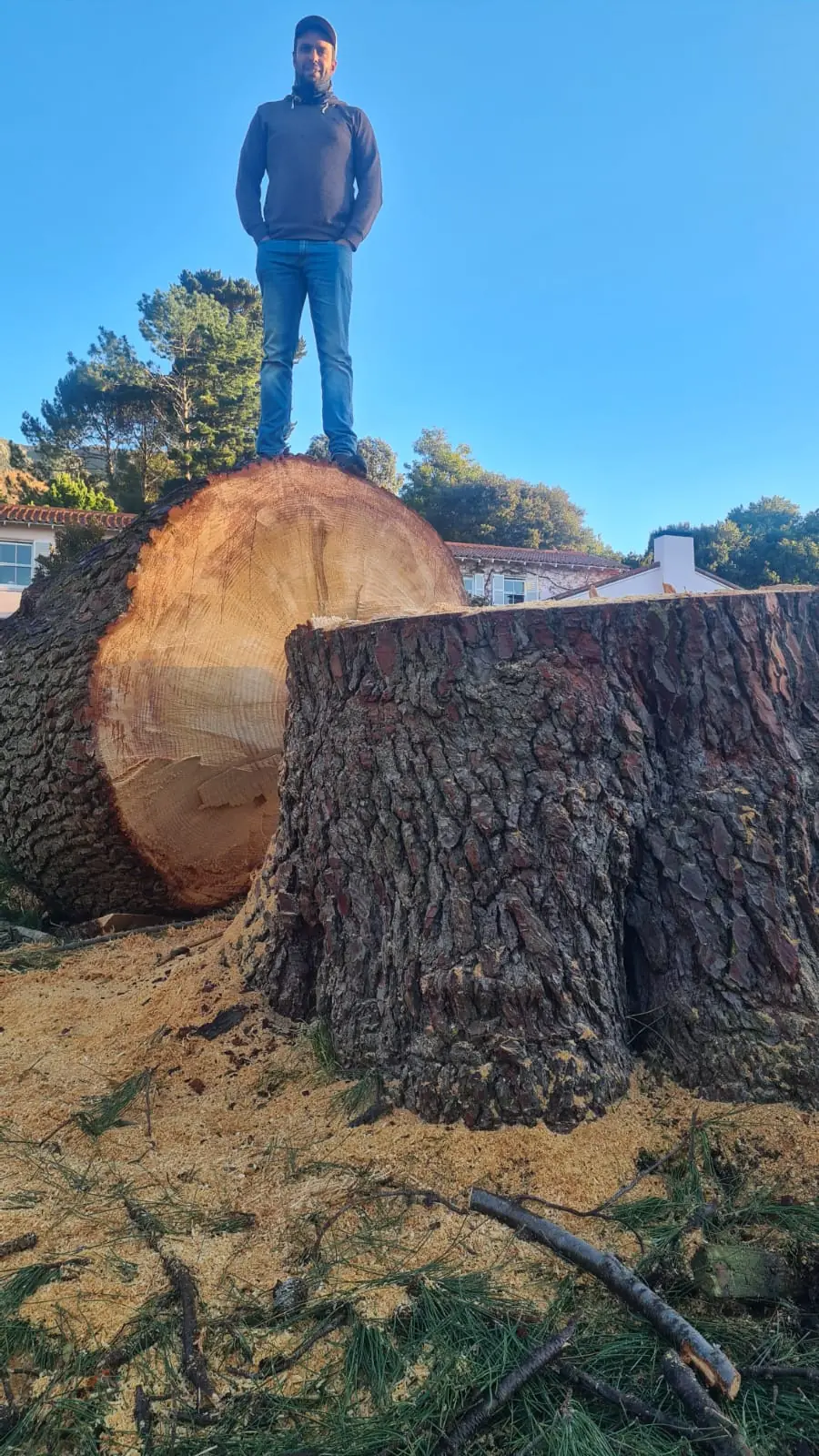
A shelf-like fungal growth on the trunk or at the base is not cosmetic. It means the wood inside is decaying, and the size of the tree tells you nothing about how much sound wood is left holding it up. A large tree with a compromised root plate or trunk base can fail with very little wind.
A vertical crack in the trunk, a cavity you can see into, or a narrow, bark-lined seam where two large limbs meet (included bark) are all structural weak points. None of them heal. They only get more loaded as the tree keeps growing around them.
Soil lifting or cracking on one side of the trunk, especially after wind, means the root plate has already started to move. This is one of the more urgent signs: a tree in this state can go over in the next strong blow, not the next storm season.
Dead branches at height are a falling-limb risk long before the tree itself is at risk, and they are the easiest sign to check yourself: stand back and look for bare, brittle wood against the live canopy, particularly after a dry summer.
One sign on its own is often manageable with pruning rather than felling. Two or more together, especially root movement plus anything structural in the trunk, is when it is worth getting someone to look at it properly rather than waiting for the next inspection window. Where it lands if it does go is the harder question, and it is usually the one that decides whether a tree comes down whole or in sections.
Related service
Tree felling
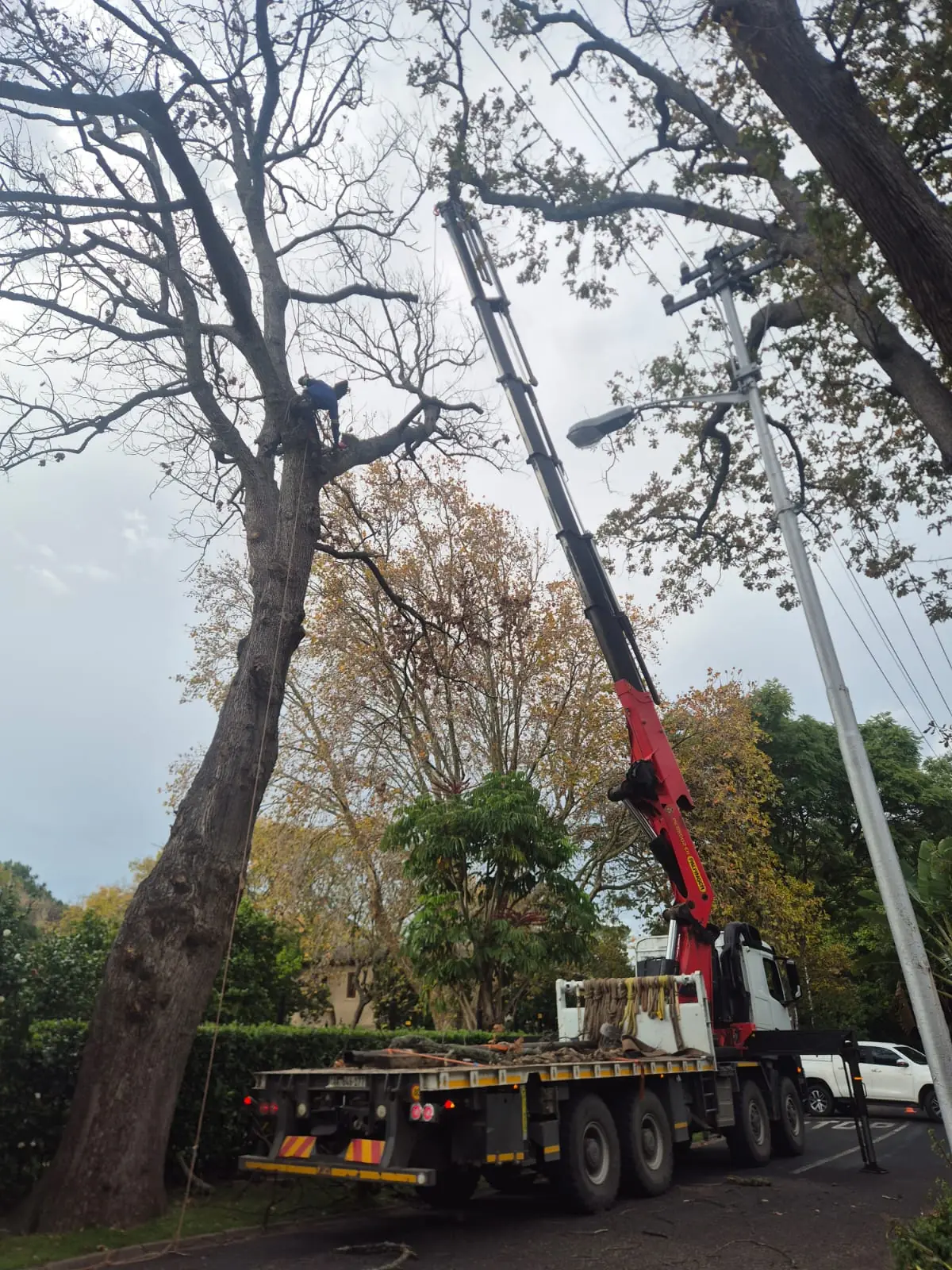
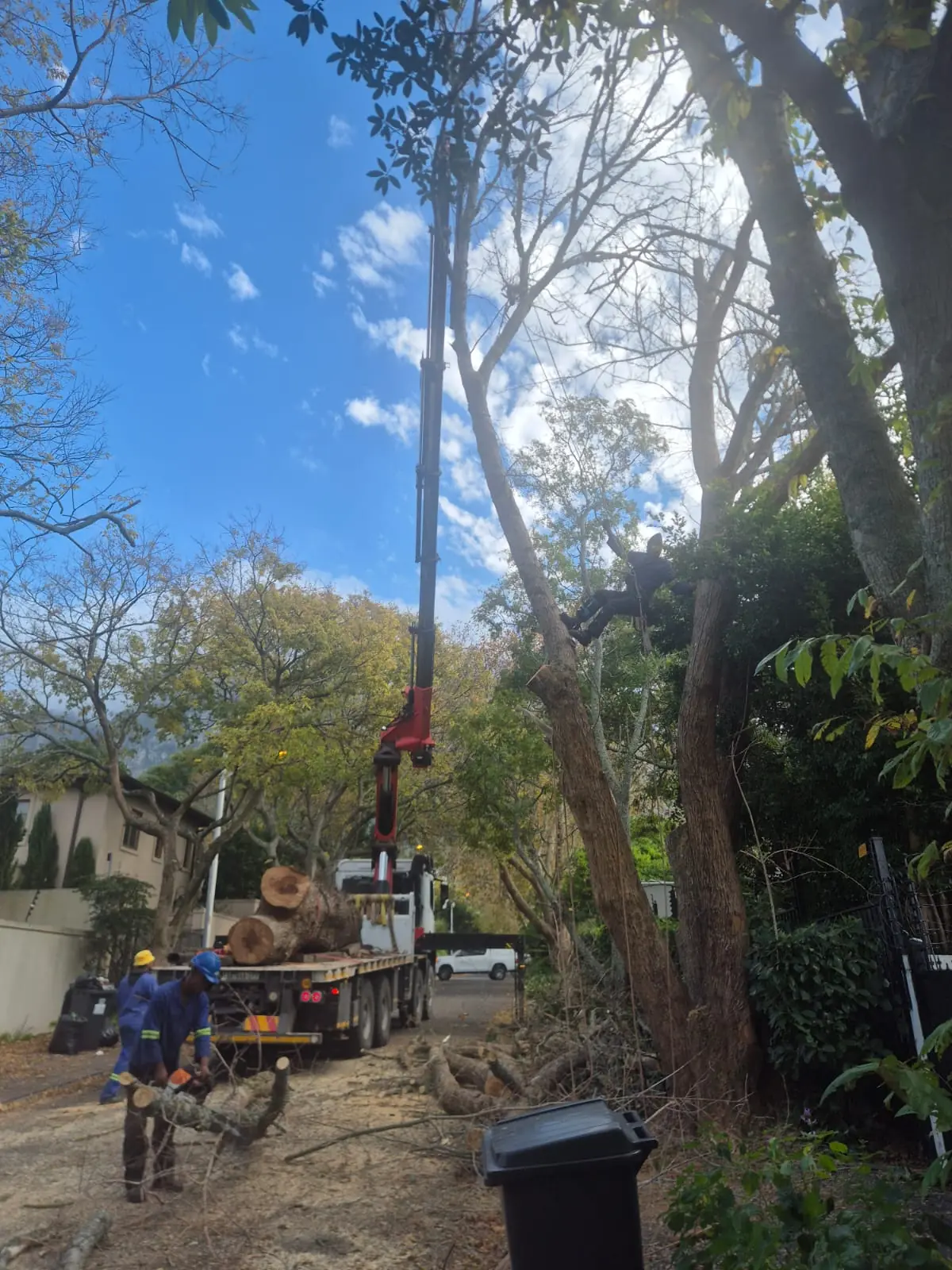
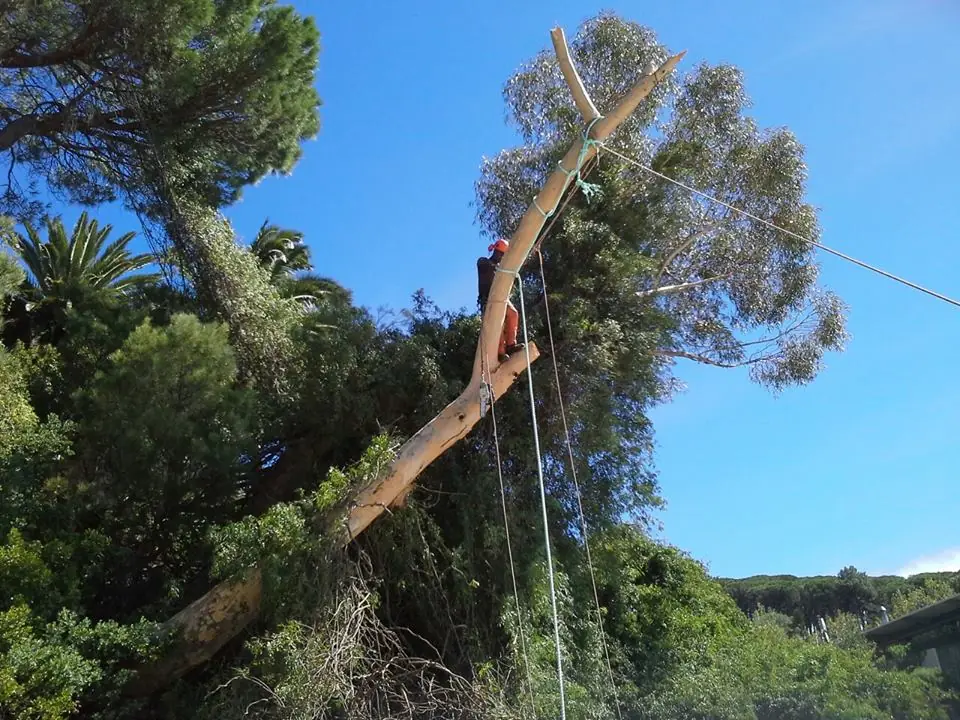
Safe removals done by experienced fellers using relevant roping techniques. For more complex removals we have access to a crane truck with an experienced operator.
More on tree fellingMore guides
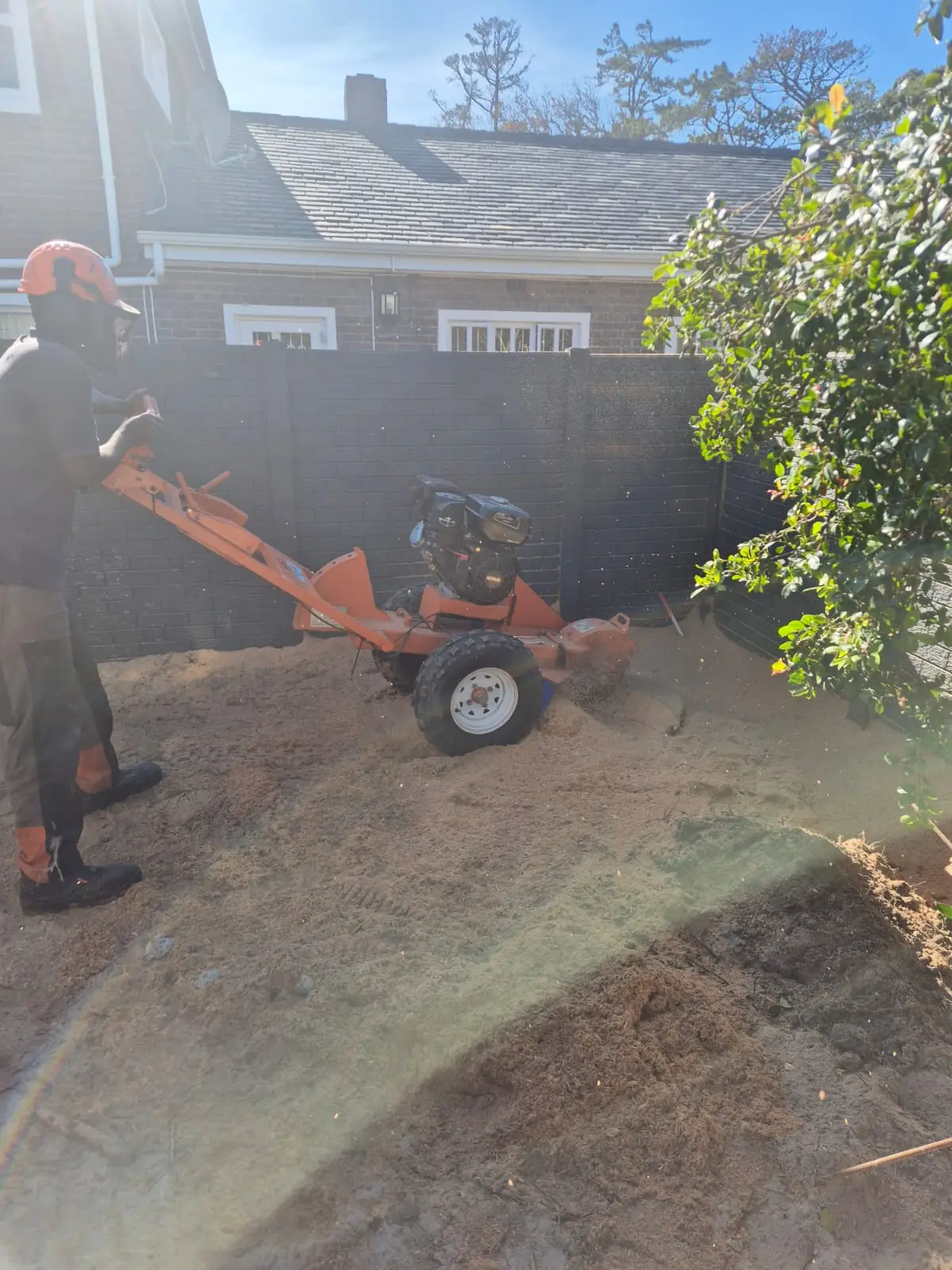
A tree that has to come down, a stump in the way of a new lawn, a load of firewood before winter, the chipper for a weekend, or a garden kept on a schedule. Send us the suburb and what you need.
We come out and look at it properly.