Guide
Cape Town's southeaster, the Cape Doctor, is strong enough and frequent enough that it has shaped how trees across the Peninsula actually grow, and that shape matters on the day a tree comes down.
A tree that has spent decades leaning away from the prevailing southeaster has usually built compensating root and wood growth on the windward side to hold that lean. That is a different structural situation to a tree that has started leaning recently, and it is the first thing worth telling apart before deciding how a felling is sequenced.
A canopy that has been consistently pruned by wind, thinner and lower on the windward side, carries less sail than a sheltered tree of the same size, which changes how it is likely to behave as sections come off. Removing the wrong limb first on a wind-shaped tree can shift its balance in a way it would not on a tree that grew in still air.
A tree's long-term wind training does not make a felling day safe in a 60 km/h southeaster. Roping, rigging and where each section is dropped all get planned around the wind that is actually blowing that day, on top of whatever the tree's history says about how it will behave once weight starts coming off it.
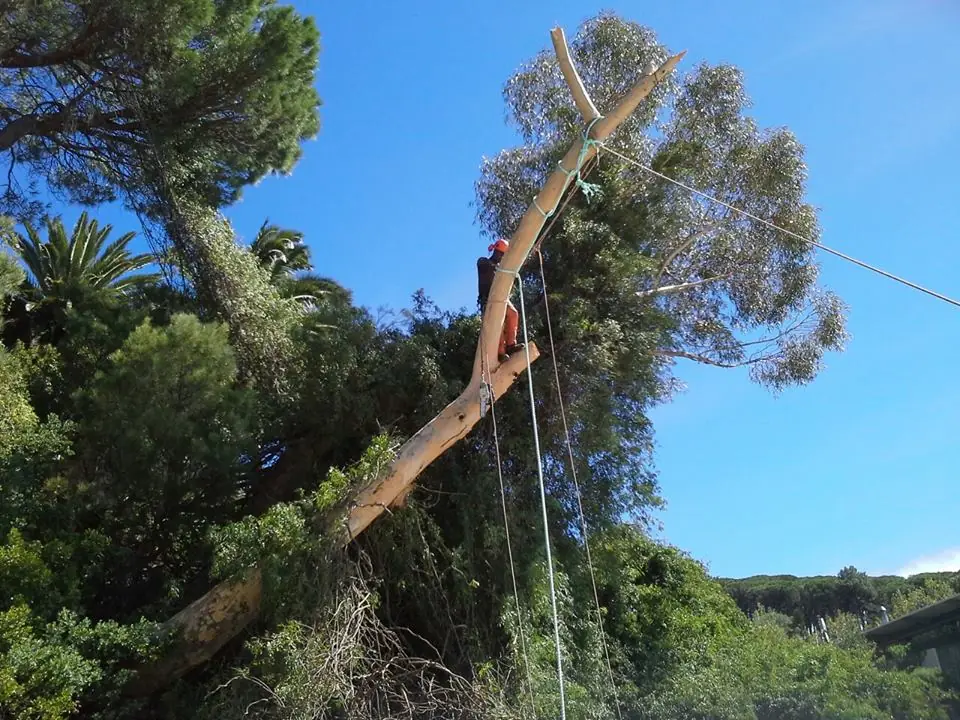
Related service
Tree felling
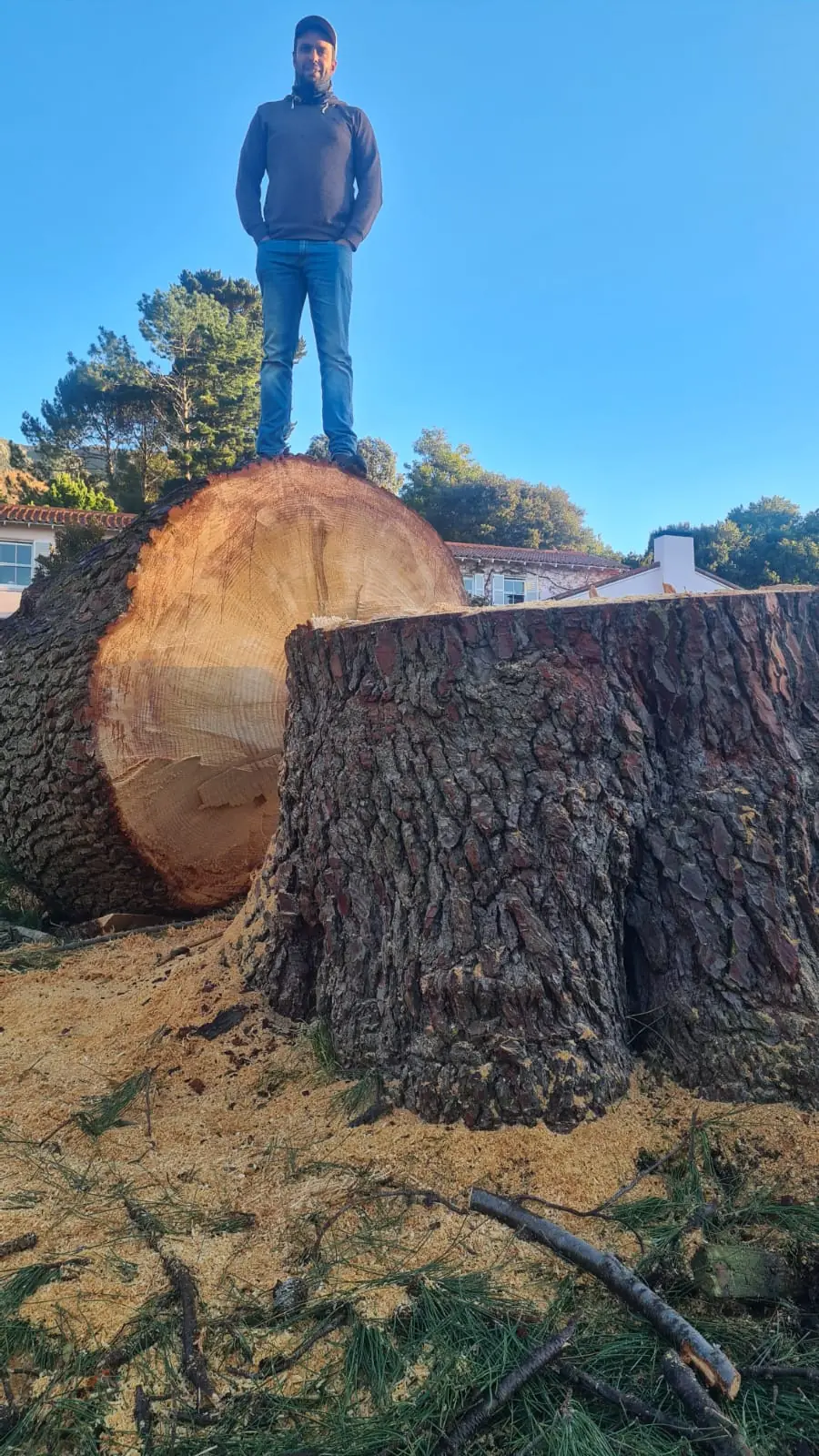
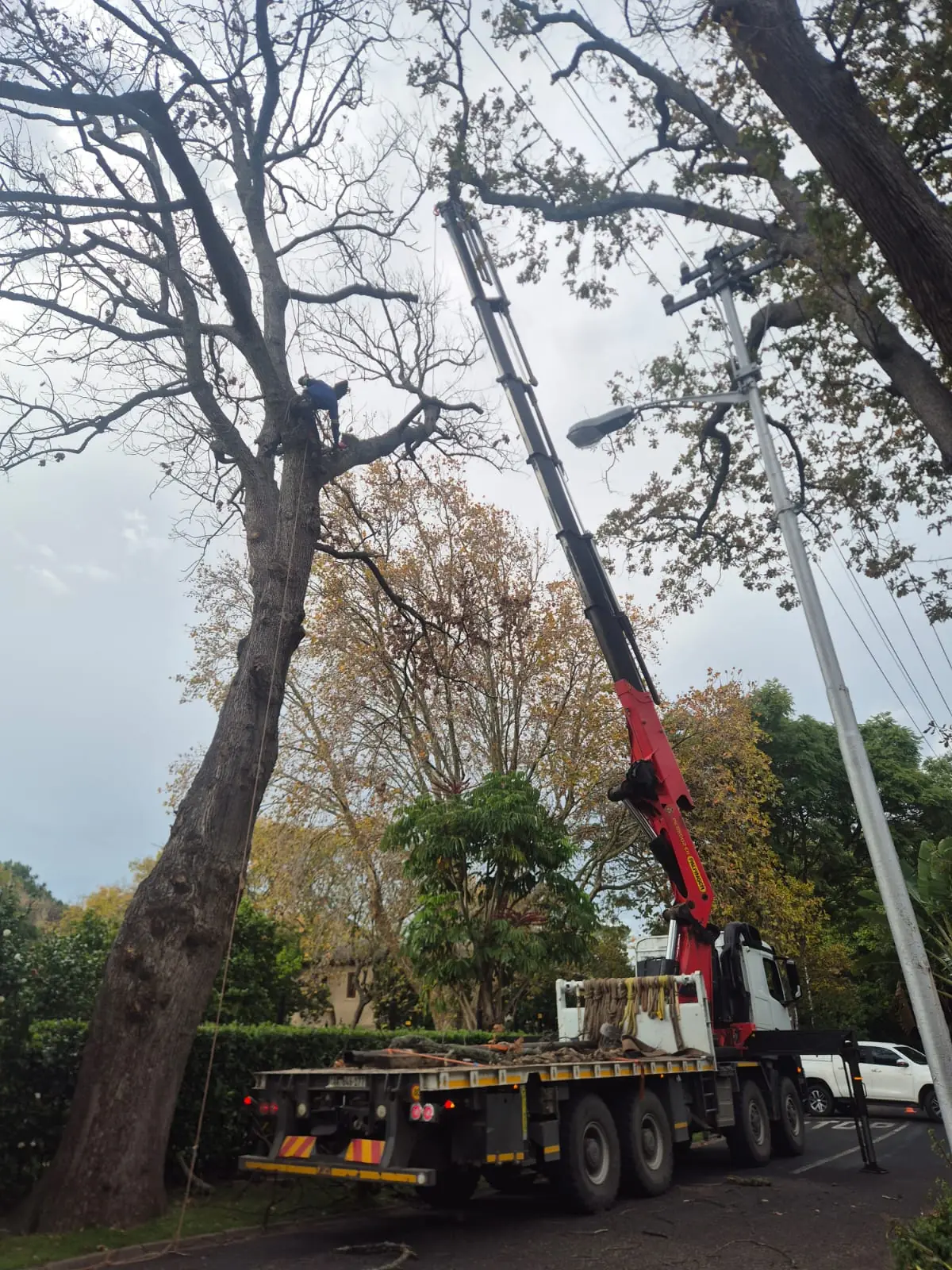
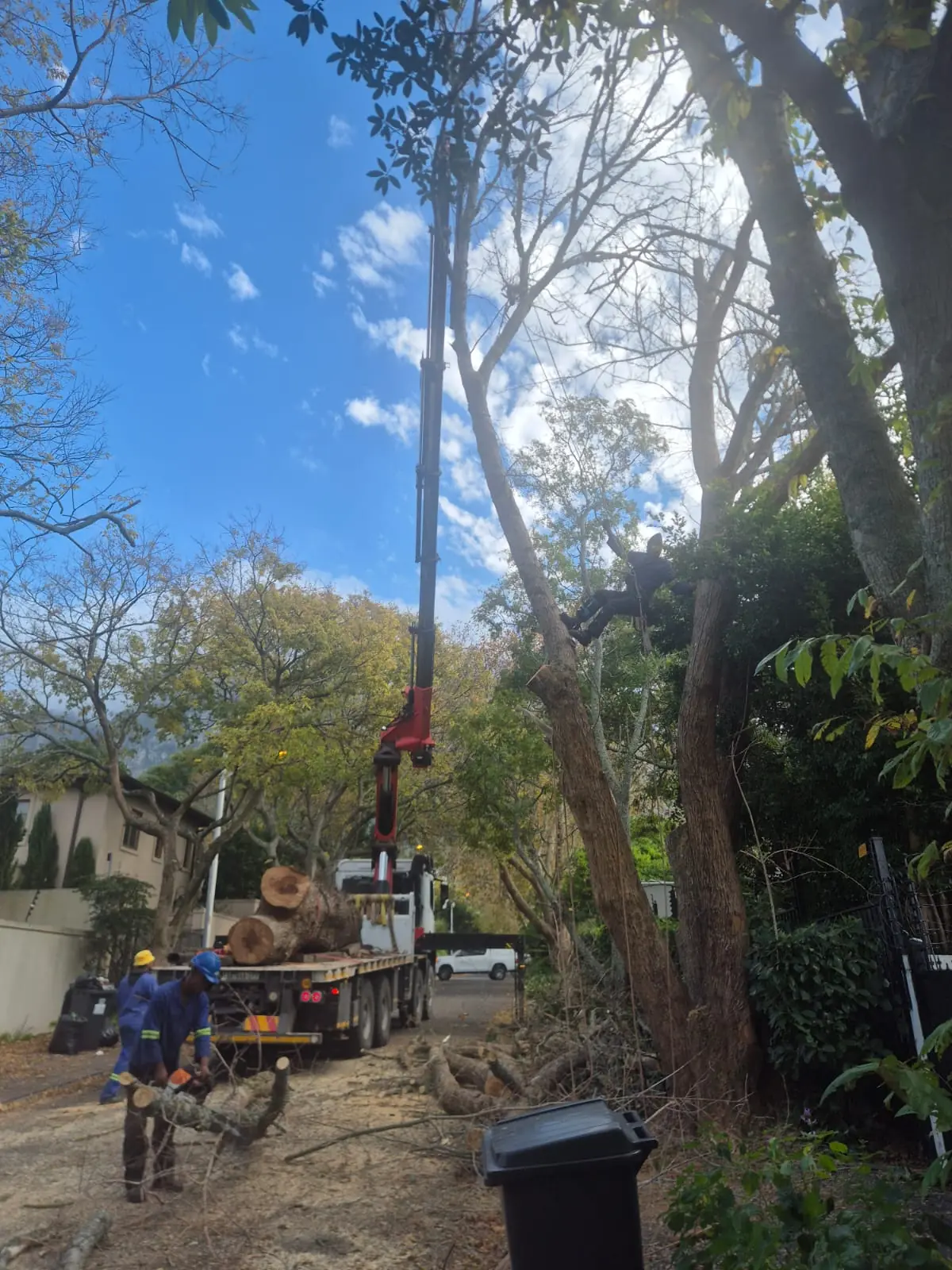
Safe removals done by experienced fellers using relevant roping techniques. For more complex removals we have access to a crane truck with an experienced operator.
More on tree fellingMore guides
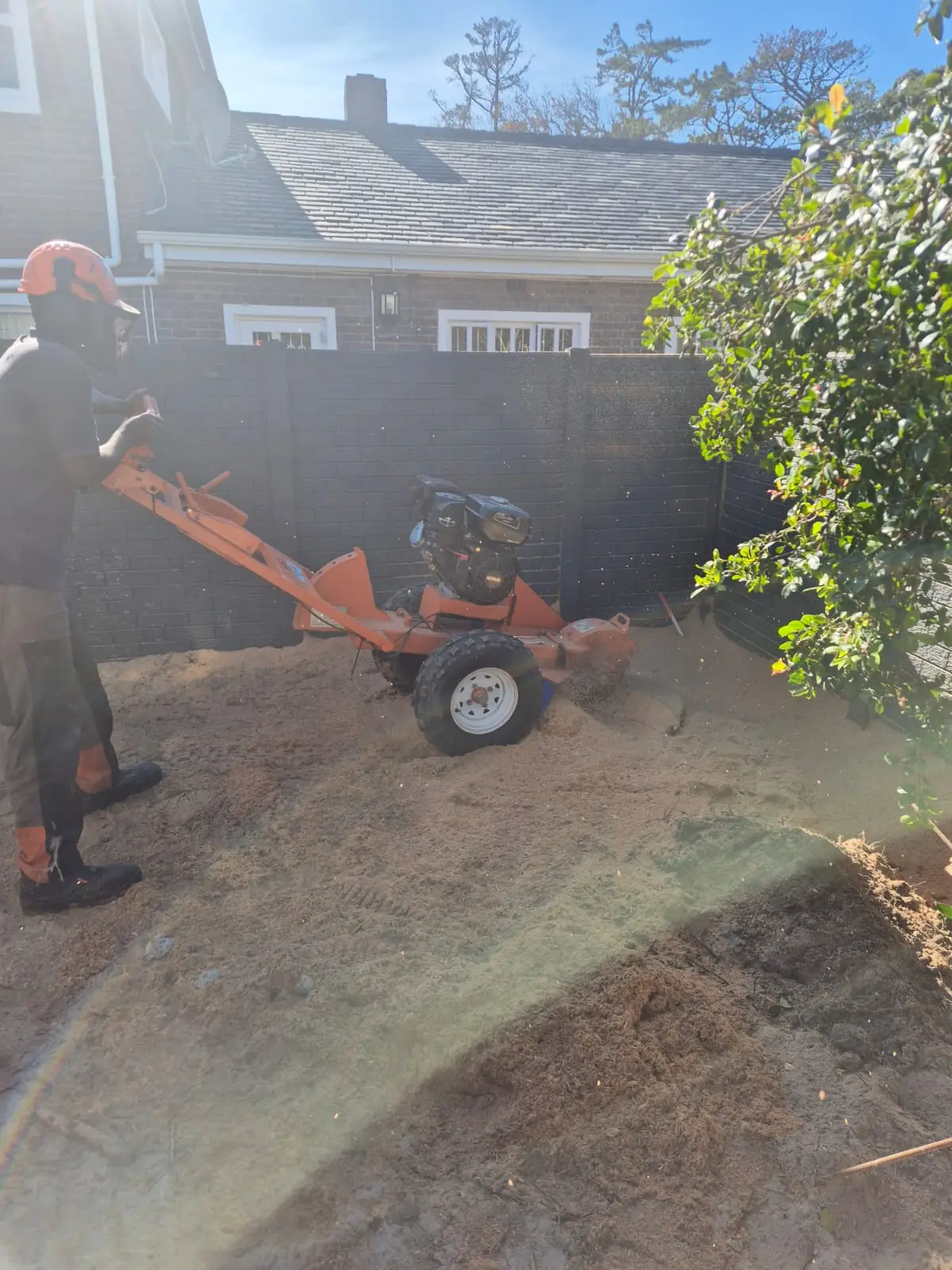
A tree that has to come down, a stump in the way of a new lawn, a load of firewood before winter, the chipper for a weekend, or a garden kept on a schedule. Send us the suburb and what you need.
We come out and look at it properly.