Guide
South Africa's National Forest Act (No. 84 of 1998) gives the Minister the power to declare specific tree species, or individual trees, as protected. A protected tree cannot legally be cut, disturbed, damaged, or removed without a licence from the Department of Forestry, Fisheries and the Environment, regardless of who owns the property it stands on.
The national list covers species (certain indigenous trees declared protected wherever they grow) and, separately, individual trees or groves declared protected because of their size, age, or historical significance. A tree does not need to look unusual to qualify. Species-level protection is the more common way a Peninsula garden tree ends up covered.
The permit process exists to be used before a tree comes down, and it is far simpler to work through it on that side. Once a protected tree has been felled, the question of a permit is moot and the legal exposure sits with whoever gave the instruction to cut, not only whoever held the chainsaw.
If a tree is a species you cannot confidently identify, or it looks old enough or large enough to be notable, treat that as a reason to check before booking a felling date rather than after. This is exactly the kind of judgement call that is worth a second opinion on site rather than a guess from a photo.
Related service
Tree felling
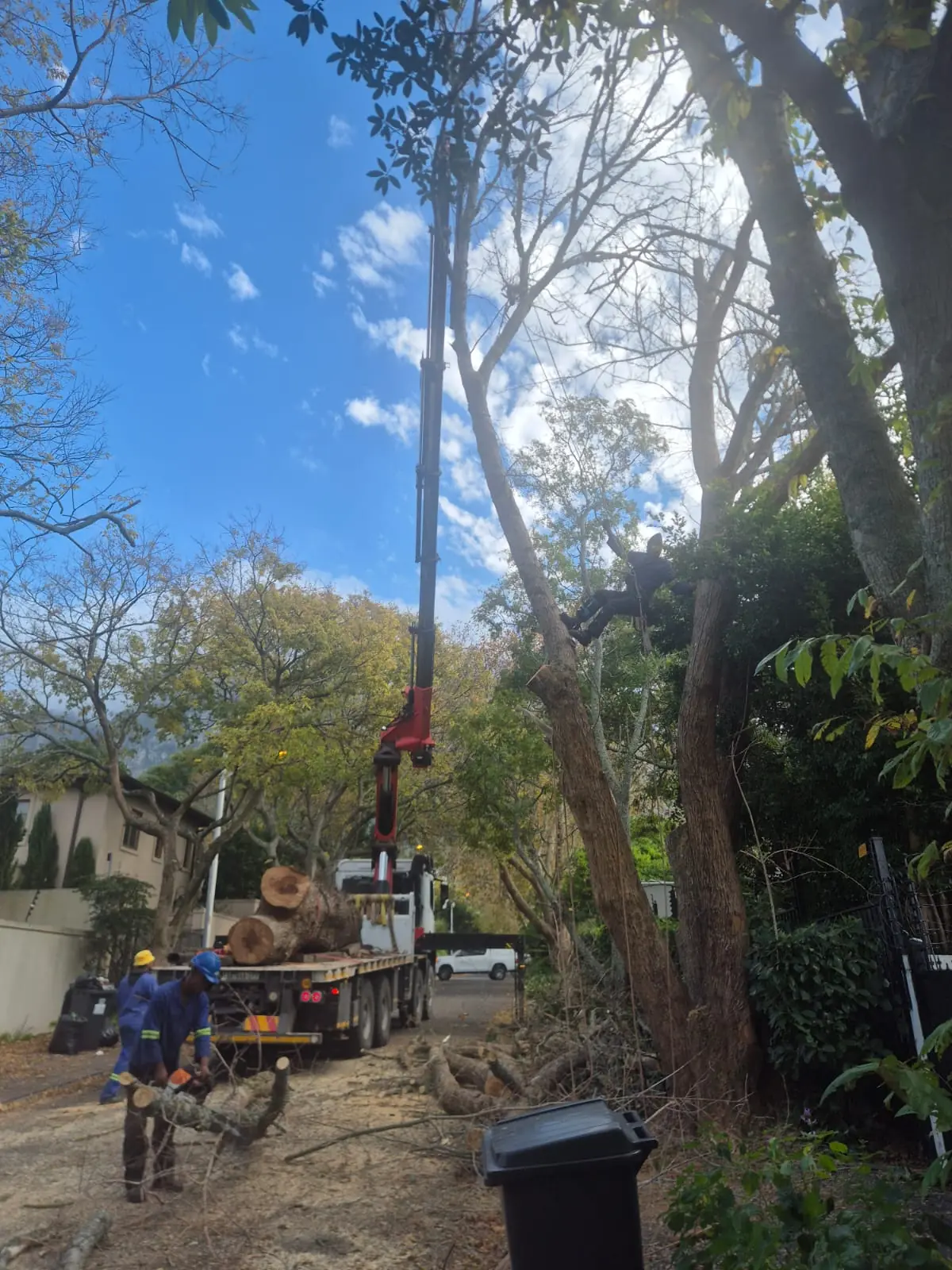
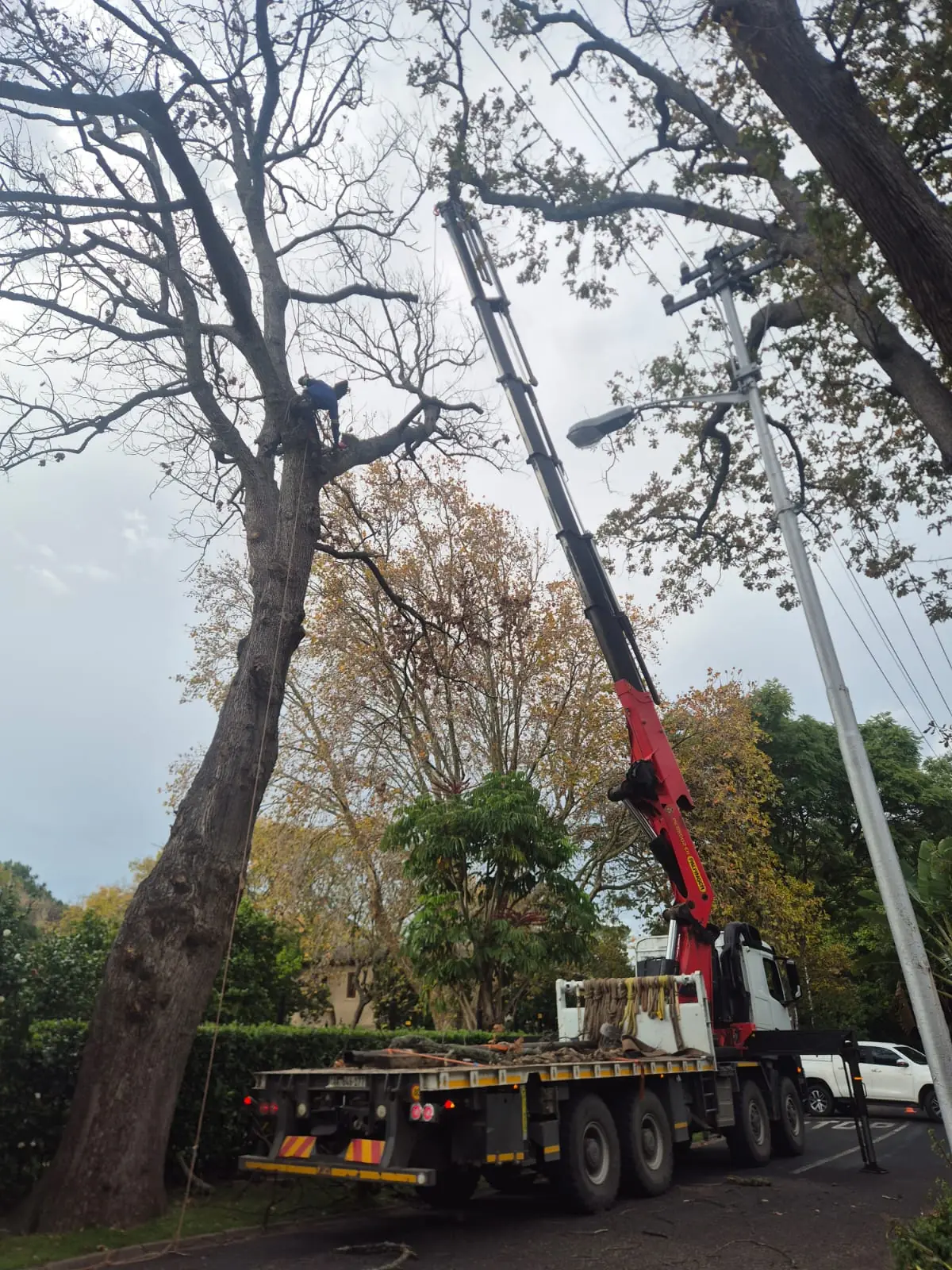
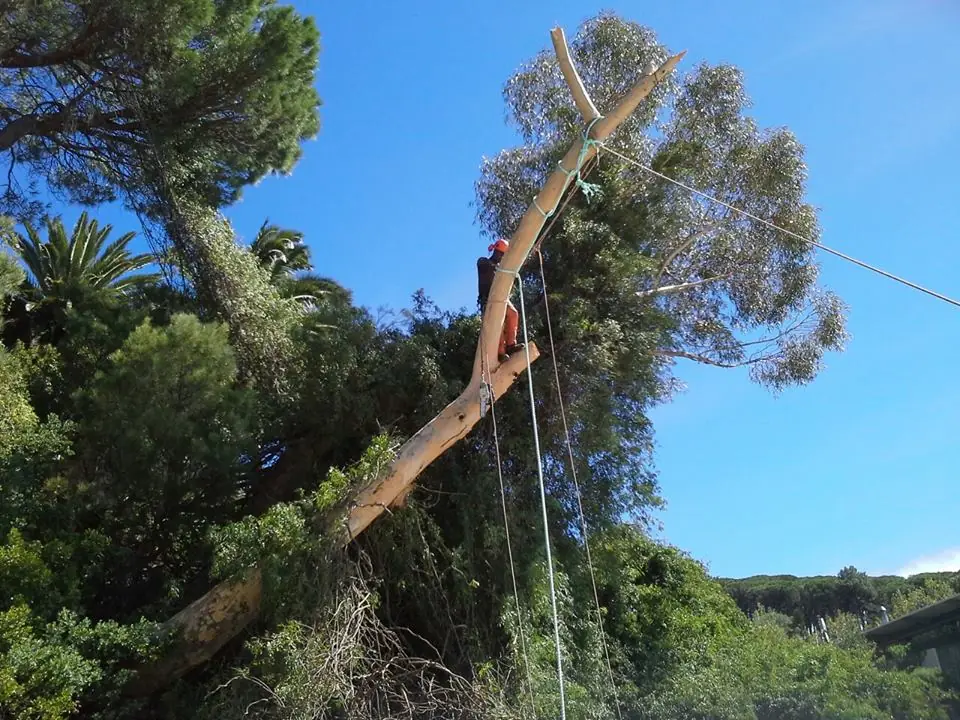
Safe removals done by experienced fellers using relevant roping techniques. For more complex removals we have access to a crane truck with an experienced operator.
More on tree fellingMore guides
A tree that has to come down, a stump in the way of a new lawn, a load of firewood before winter, the chipper for a weekend, or a garden kept on a schedule. Send us the suburb and what you need.
We come out and look at it properly.